



Some time traveling history
Remember back in May 2020, when the world shut down, and much of life shifted to online? Education went online. Work meetings were on Zoom. Conferences shifted to online platforms. Zoom was gloriously efficient for work meetings – tell me that I’m not the only one who enjoyed preparing lunch with my camera off and mic muted while someone rattled on in a meeting about something I didn’t care about?
Conferences became endlessly accessible – no travel or accommodation expenses. Online learning and online courses took off. Locked in at home, self-improvement via an online curriculum boomed. Suddenly everyone it seemed had an online course to sell. Some students loved remote learning, tapping in to class from Greece or Australia, while they lived and traveled a laptop lifestyle. Others floundered. The extremes were real. Many of us envisioned a new world of remote work. That dream was tempered by a call back to the office, but the partial shift to remote has remained – a testament to its permanent worth.
One thing became very apparent though, as time rolled along into 2021, and 2022, even for the most introverted in the lot – we needed some real life human interaction to be healthy and productive.
Enter AI
And then AI changed everything. Again.
ChatGPT launched in November 2022, and gained traction in 2023. By 2024 Google’s Gemini, and Anthropic’s Claude AI models had joined the race, along with DeepSeek in 2025.
And now here we sit in 2026. The world has become saturated with digital content, and the line between fact or fiction has blurred. Is it real? Is it fake? What can be trusted?
Offline in real life experiences for connection & authenticity
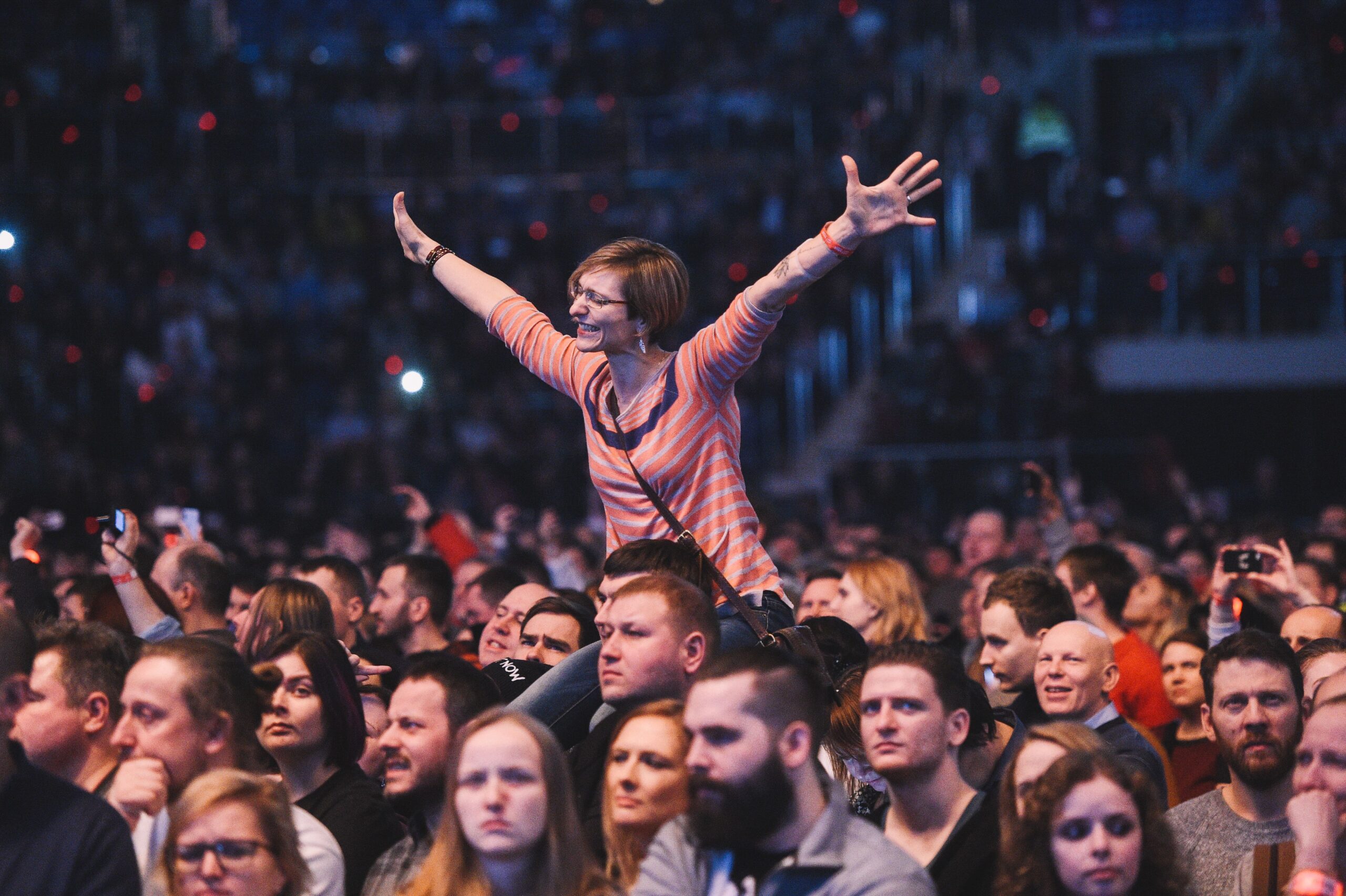
But something interesting is happening: people are hungrier than ever for in-real-life experiences. Is it craving real human interaction? Or is it because in real life is in fact, real? Something that can be trusted?
I think it’s a little of both.
This craving for IRL experiences is driven by a desire for human connection, authenticity and trust. History has brought us here. It’s been quite the ride since 2020.
We’re seeing online communities meet up in real life. In person conferences are fueling online communities. There’s a fluidity that didn’t previously exist. All driven by human connection and trust.
Brands are tapping into this now too. For example, financial services brand loyalty is being driven through experiences such as travel rewards, access to sold out concerts, skip the line privileges and best seats. All attainable through loyalty points.
The data driving IRL is pretty compelling: 95% of consumers trust a brand more after an in-person experience, and 66% are more likely to purchase after experiencing a brand live.
Are you tapping into creating memorable, immersive moments worth sharing? It’s not just about bumping up against other humans in an immersive and sensory driven experience though. It’s also about turning that emotional moment into connection, while generating buzz.
Integrating physical and digital
For marketers, this is about the smart integration of physical and digital. Digital drives discovery. Physical delivers the unforgettable experience. And then digital extends the moment and amplifies reach. When in real life experiences deliver genuine value, this integration creates connection that translates to lasting loyalty.