



Craving human connection
AI is automating, personalizing, and predicting at unprecedented scale. It’s being used to research, create and iterate. Marketing outreach, sales nurturing and customer experience touch points are being automated for efficiencies.
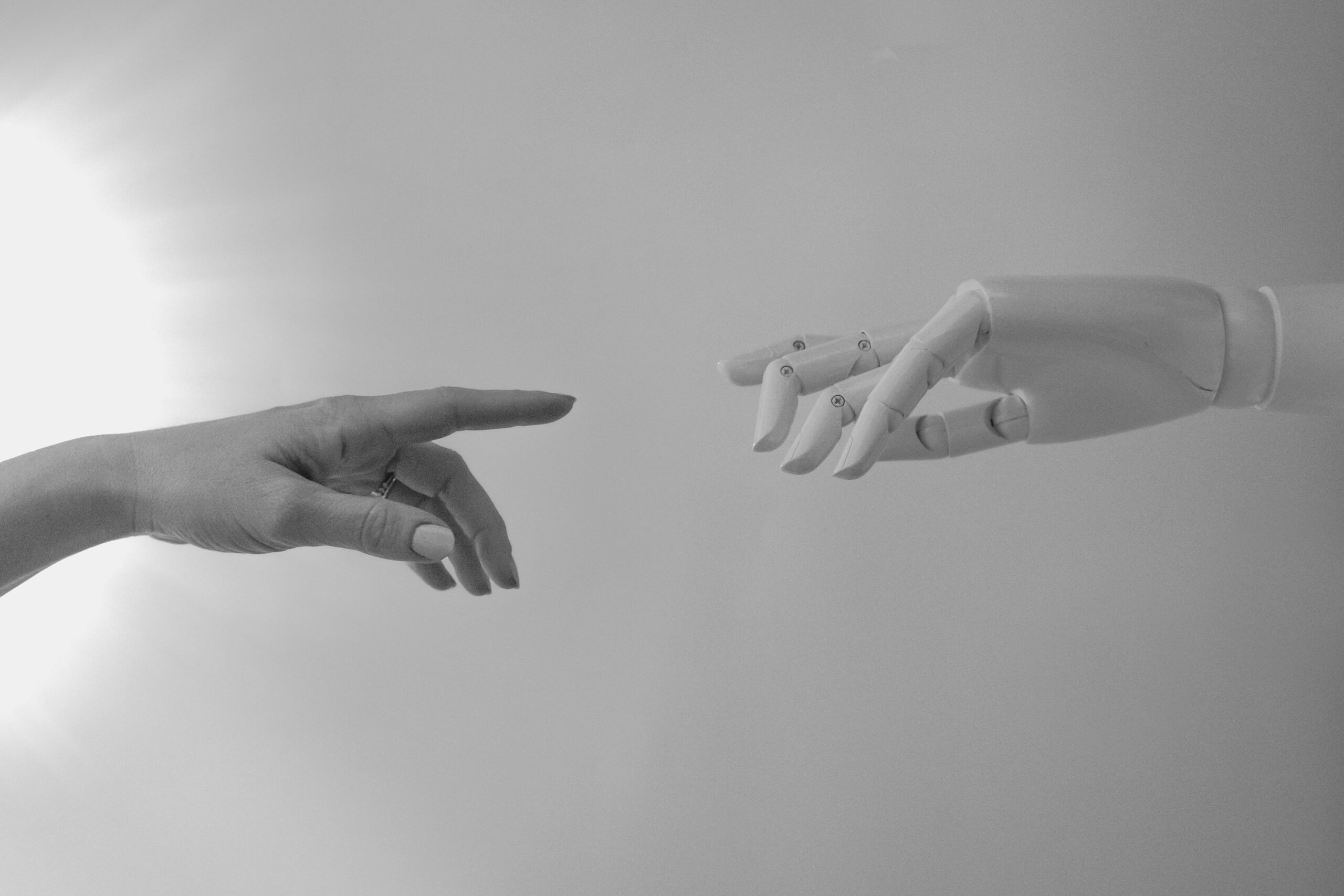
But here’s the paradox: the more brands lean on AI, the more consumers crave what AI can’t deliver – human connection.
Public attitudes towards artificial intelligence (AI) in general are now characterized by a mix of cautious optimism and significant concern, with anxiety often outweighing excitement. While global awareness and adoption is high, with 66% of people using AI regularly, public trust is a challenge, with only 46% of people trusting AI systems, according to a 2025 KPMG global study.
In 2026 public trust is taking a further hit. Right now only 23% of consumers trust companies to use AI responsibly with their data according to a McKinsey report.
AI creative issues
And it’s not just AI data trust issues at play. It’s also AI creative. Last December McDonalds faced backlash over an AI generated ad showing holiday chaos. Viewers criticized the ad as having “creepy characters”. Something felt off. Watch “The most terrible time of the year”. Coke also fell under the bus (or in this case the semi) with consumers calling out the AI creative for inconsistencies, in “Holidays are coming”. The number of wheels changed quantity as the ad rolls along. Again, something felt off.
What does this tell us? Consumers have a sixth sense for authenticity. When brands remove the human element, audiences notice immediately.
AI customer service automation issues
And how about AI customer service automation? Air Canada tried to use a chatbot for customer service, but things went wrong when the bot made a promise it couldn’t keep, falsely promising a passenger a refund that didn’t exist in company policy. The airline denied responsibility until the customer took them to court, resulting in a ruling being made that the airline WAS accountable for the bot’s mistake. Learn more here: https://www.wired.com/story/air-canada-chatbot-refund-policy/ The lesson here? If your brand replaces people with AI to interact with customers, you’re still on the hook for what it says.
And let’s be real for a moment here. How many of us have been lost hopelessly in a rabbit hole of customer service inquiry automation, desperate to speak to a real human?
The AI & human paradox
For marketers, managing the paradox between AI and humans is about getting the balance right. AI should be a co-pilot, not a replacement. Using AI to enhance efficiency and reduce mundane tasks that free up time to focus on high-value, human-centered work makes sense.
Basically, use AI to enhance humanity, not replace it. Efficiency without empathy is a losing strategy.
Being human
But honestly? The brands that recognize the value of the human touch in a world increasingly impacted by AI will now stand out in 2026. Human touch in customer service, in advertising creative, in writing and authentic storytelling.